How I Handle a Blocked Drain in Saúde, São Paulo: A Working Checklist
Something changed in the last couple of years: more buildings in Saúde are aging at the same time the neighborhood is densifying, so the same old drain that used to clear itself now backs up on a Friday night. That matters because a blocked line is no longer a minor annoyance — it can shut a kitchen, flood a garage and put a condominium manager on the phone at midnight. If you are searching for a desentupidora Saúde São Paulo SP, the short answer is this: you need a local emergency team that can diagnose the line, not just plunge it. Below is the checklist I actually use, in the order things happened to me.
Why Saúde Drains Behave Differently Now
Saúde sits on a mix of older residential blocks and busy commercial streets, and that mix shows up in the plumbing. Buildings from the 1970s and 1980s often share cast-iron or clay stacks that have quietly corroded, while newer restaurants and laundries on the ground floor push grease and lint into the same municipal connection. When one side fails, the other side usually finds out first.
The practical consequence is that a single plunger rarely solves anything. A line that backs up in a bathroom on the third floor but drains fine in the lobby is telling you the blockage is deeper than the fixture. That is the moment to stop guessing and start documenting.
What I check before I call anyone
- Which fixtures are slow, and whether the problem is on one floor or several.
- Whether there is a gurgling sound in a different drain when water runs.
- If there is a cleanout or inspection box I can safely open without tools.
- Whether the smell is sewage (deeper line) or just standing water (local trap).
Writing those four answers down takes two minutes and saves twenty on the phone. Multiple slow fixtures on different floors almost always mean a shared stack, not a single clog.
The First Hour: What I Do Before the Team Arrives
The first hour is about limiting damage, not fixing the pipe. I shut off water at the fixture that is overflowing, move anything porous off the floor, and keep people away from the affected area. If water is near an electrical outlet or a lift shaft, that becomes a building-safety call, not a plumbing call.
Then I take photos. A timestamped photo of the water line, the drain and the cleanout helps the technician understand the sequence and helps the building manager justify the expense later. I also confirm access: gate codes, parking, and whether the service truck can reach the cleanout without blocking the street.
What I tell the dispatcher
I describe the building type, the floor, the fixtures affected and whether the water is clear or dark. Clear water backing up often points to a soap or hair clog; dark, smelly water points toward the main line. That distinction changes the equipment the team brings, so it is worth saying out loud.
This is also where a local desentupidora Saúde matters: a team that already knows the neighborhood streets, the typical building layouts and the municipal connection points will arrive with the right tools instead of improvising.
Diagnosis: How a Professional Reads the Line
When the team arrives, the first step is not the machine — it is the inspection. A technician will usually open the cleanout, check the water level, and may run a camera down the line. That camera pass is what separates a real diagnosis from a lucky plunge, because it shows whether the obstruction is grease, roots, scale, a collapsed section or a foreign object.
In Saúde, I have seen two patterns repeat. In older residential buildings, the culprit is often scale and root intrusion at the junction with the street. In commercial ground floors, it is grease and food waste that cooled before it reached the main. The equipment and the follow-up differ for each.
Tools you will see, and what each one is for
| Tool | Best for | Limitation |
|---|---|---|
| Hand auger or plunger | Local trap clogs in a sink or toilet | Does nothing for a shared stack |
| Electric drain snake | Hair, soap and soft blockages in branch lines | Can damage old cast iron if forced |
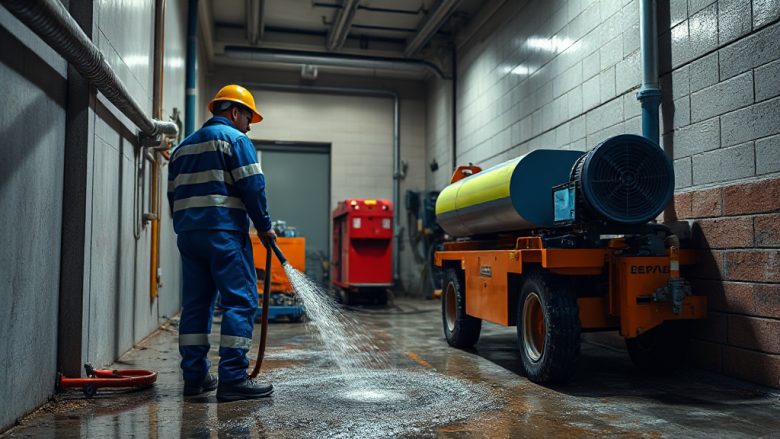
| Hydro-jetting | Grease, scale and sediment in main lines | Needs a cleanout and proper pressure control |
| Camera inspection | Confirming cause and pipe condition | Diagnostic only, not a fix |
Hydro-jetting is the workhorse for main-line grease and scale, but it is not a substitute for a camera check on old pipes.
The Fix Itself: Clearing, Jetting and What Comes After
Once the cause is known, the clearing step is usually quick. A snake opens the path; hydro-jetting scours the pipe wall so the line stays open longer. If the camera shows a collapsed section or a broken joint, the honest answer is that clearing is temporary and a repair is the real solution. A good team says that out loud rather than selling a second clearing next month.
After the line is open, I ask for a flow test: run water at the furthest fixture and watch the cleanout. If it drains steadily, the job is done. If it hesitates, the obstruction was only partially removed.
Septic tanks and grease traps
Properties in Saúde that are not fully connected to the municipal network may rely on a septic tank or a grease trap. Those need periodic pumping, not just clearing. Skipping that maintenance is one of the most common reasons a line backs up again within weeks. A desentupidora em Saúde São Paulo SP that also handles tank cleaning can close that loop in one visit instead of two.
What It Costs and How to Avoid Paying Twice
Pricing for drain work depends on access, depth, equipment and time of day. An emergency call at night costs more than a scheduled visit, and a line that needs jetting plus camera work costs more than a simple snake. I always ask for the price of diagnosis separately from the price of clearing, so I can see what I am paying for.
The most expensive outcome is paying for a clearing that was never going to hold. If the camera shows a structural problem, the right move is a repair quote, not a repeat visit. Ask for the camera findings in writing before approving a second clearing.
Prevention that actually works
- Never pour cooking grease down a sink; wipe pans into the trash first.
- Use drain strainers in showers and kitchen sinks and empty them weekly.
- Schedule a preventive jetting for commercial kitchens once or twice a year.
- Have the septic tank or grease trap pumped on a fixed calendar, not when it fails.
- Keep the cleanout accessible — do not stack storage in front of it.
These five habits cost almost nothing and remove most of the reasons people call an emergency team in the first place.
Working With a Condominium or a Commercial Landlord
If you are a síndico or a building manager, the checklist changes slightly. You need a paper trail: who authorized the visit, what was found, what was done and what is recommended next. That record protects the building and makes the next budget conversation easier.
I also keep a short list of trusted providers rather than searching during a crisis. A team that already knows the building’s cleanout locations and stack layout will be faster on the second call than on the first. For commercial tenants, the same logic applies: a restaurant that has a standing relationship with a drain team avoids closing for a full day because nobody could reach the right person.
What to put in the service record
- Date, time and the name of the technician.
- The fixture or cleanout used for access.
- Camera findings, including pipe material and condition.
- Method used (snake, jetting, tank pumping) and pressure or depth if relevant.
- Recommendation and the date of the next preventive visit.
That record turns a one-off emergency into a maintenance plan, which is the real goal.
Lessons I Learned the Hard Way
The first lesson is that speed matters less than diagnosis. A fast plunge that fails costs more than a slower visit that finds the cause. The second is that old pipes in Saúde need a gentle hand; forcing a snake through corroded cast iron can turn a clog into a repair.
The third is that prevention is boring and effective. The buildings that call an emergency team every month are usually the ones with no grease protocol and no cleaning calendar. The fourth is to keep the phone number of a reliable local team saved before you need it, because the moment water is rising is not the moment to start comparing providers.
Finally, treat the cleanout as infrastructure. If it is buried behind boxes or painted shut, the first twenty minutes of any emergency are spent moving furniture instead of fixing the line.
Frequently Asked Questions
How quickly can a team reach Saúde in an emergency?
Response time depends on traffic and time of day, but a local provider based in or near the neighborhood will usually arrive faster than a citywide call center that dispatches from another zone. Give the dispatcher the exact address and access details when you call.
Can I clear a main-line blockage myself?
You can handle a local trap clog with a plunger or hand auger. Once several fixtures are slow, or water backs up from a cleanout, the blockage is in the shared line and needs professional equipment. Forcing it can damage old pipes.
Is hydro-jetting safe for older pipes?
It is safe when the pressure is adjusted to the pipe material and condition. That is why a camera inspection before jetting matters on buildings from the 1970s and 1980s. A responsible technician will check first and adjust the pressure rather than run full power blindly.
How often should a commercial kitchen schedule drain cleaning?
Most kitchens benefit from preventive jetting once or twice a year, plus regular grease trap pumping. High-volume fryer use or a shared line with other tenants may justify a more frequent calendar. The right interval is the one that keeps the line open between visits.